
Second-Generation Anticoagulant Rodenticide (SGAR)
A huge win for native wildlife: bird-killing poisons to be pulled from Australian shelves
Native birds, wildlife, and even pets are at risk because of the unregulated use of Second-generation Anticoagulant Rodenticide (SGAR) poisons in Australia.
These highly potent chemicals are used to control rodent populations with a single feeding. SGAR’s are much worse than other rat poisons as they are chemically designed to be long‑lasting and potent in a single feed.
Some have a half‑life of up to 350 days, meaning 25% of the poison is still in its active form 2 years later, even inside living animals. This is why this class of rat poisons travels up the food chain for years. First‑generation products break down much faster and are far less likely to cause secondary poisoning.
SGAR’s don’t just kill rats and mice; they poison entire food chains. Despite what the ‘fast-action’ labels say, these poisons act slowly, allowing rodents to wander around for weeks as easy prey. These poisons stay active in animal bodies for months or even years, bioaccumulating in predators that consume poisoned animals. Owls, raptors, frogs, snakes, lizards, quolls, native mammals, and even pets are all at great risk. Every delay in taking these products off the shelves will mean more unnecessary death of wildlife.
Latest news!
Latest news!
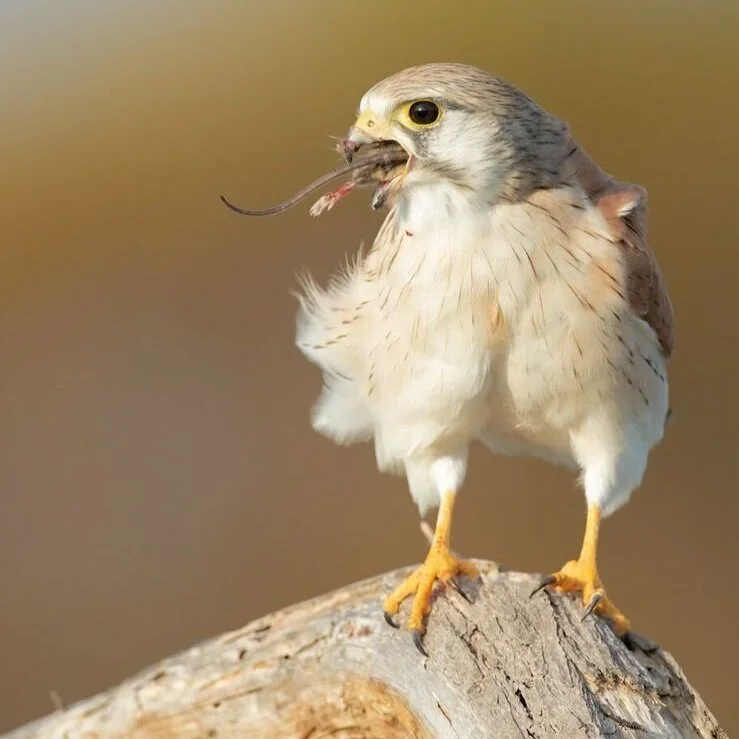
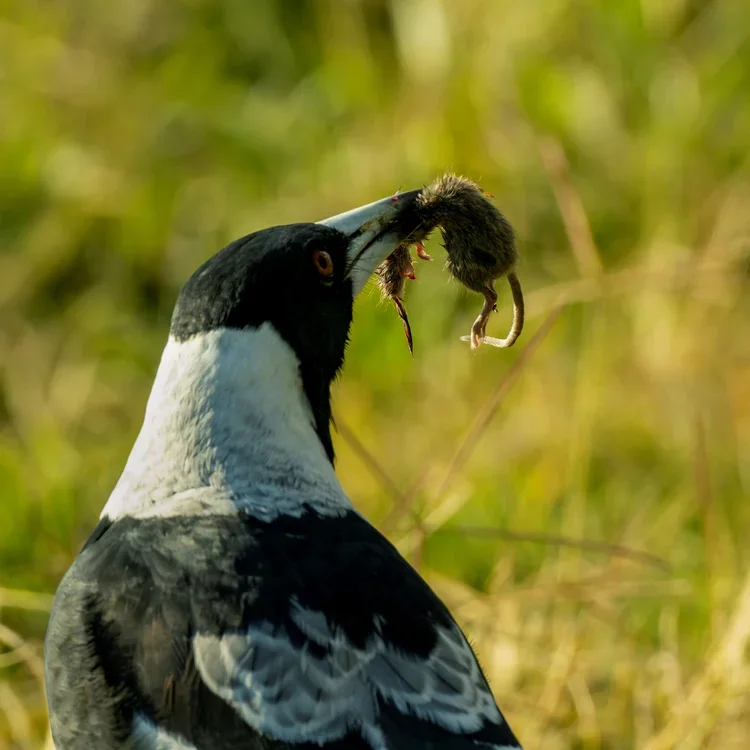
Many thanks to Birdlife Australia for their text and images
On 10 March 2026, the Australian Pesticides and Veterinary Medicines Authority (APVMA) certified that it is in the public interest for chemical products containing any second-generation anticoagulant rodenticides (SGARS) to be declared restricted chemical products (RCPs). Read more here.
We all want to keep our local wildlife and pets safe, but it can be hard to know what products you should buy or avoid when at the store.
To help, Birdlife Australia have created this helpful guide, so you can ensure you are being bird and animal friendly at home.